
The authentic taste of Belarusian cuisine is ready to be savoured both at home and abroad
Today, there is a growing demand everywhere for authentic dishes and local produce. In this regard, Belarus has a lot to offer the world. Draniki [potato pancakes], machanka [stew of pork ribs, sour cream, flour and beef stock], vereshchaka [variation of machanka meat sauce] and much more are loved not only in our country, but also abroad, and domestic food is valued everywhere for its high quality. What flavours are conquering the planet? What is needed to promote our gastronomic brand? And why does the path to sovereignty run through national cuisine?
Long road back to the roots
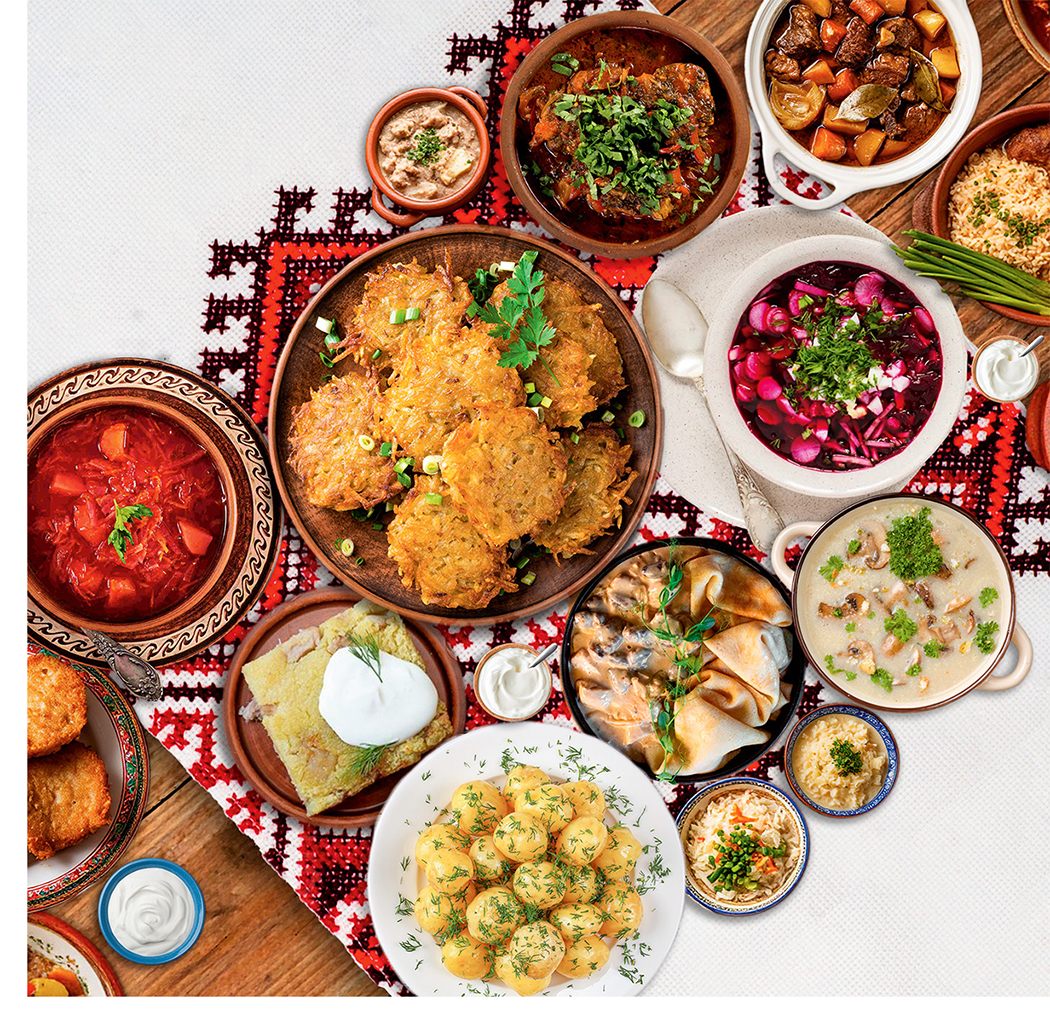 Belarusian cuisine was subject to considerable experimentation during the development of mass catering — entering the everyday menu, many dishes lost some of their uniqueness.
The 1990s were also challenging. The cuisines of the world, street food and fast food came to the fore. Then McDonald’s arrived. At that time, a large foreign player overshadowed the emerging Belarusian projects — the Kombis and Draniki chains, among others.
The breakthrough came on the eve of the 2014 Men’s Ice Hockey World Championship, which was hosted by Minsk.
At the level of the country’s leadership, the task was set to show hospitable and welcoming Belarus in all its glory, including through the prism of national cuisine. And a miracle happened: the magic tablecloth laden with native dishes unfolded — with the help of the state, of course.
As a reminder, the Ministry of Trade (now MART, the Ministry of Antimonopoly Regulation and Trade) recommended that public catering establishments provide at least 10 Belarusian dishes in their offered range. When the guests departed, the main department of the consumer market under the Minsk City Executive Committee reported that during the 13 days of the championship, fans in the ice arenas, fan zones and hospitality areas ate more than 42 tonnes of sausages and grilled chicken wings, along with 19.2 tonnes of shashlik [grilled meat skewers]. It was not possible to calculate the number of draniki, kholodnik [cold beetroot soup] and machanka consumed. Over 80,000 foreigners from 46 countries of the world were left full and satisfied.
Pent-up demand is colossal
According to Aleksandr Chikilevsky, there is no more need to campaign for Belarusian cuisine; instead, we need to make skilful use of the heritage of our ancestors, “I travel around the country from time to time. I look, I taste — each region has many interesting dishes, so take them and put them into production. Even within the walls of one establishment, you can safely launch sets from Vitebsk Region, central Belarus, southern regions and so on. After all, even the approach to preparing similar dishes differs! In some areas they bake, in some they fry, in others they boil and then bake. All this affects the taste, but you need to know about it.”More information on Belarusian cuisine is needed in the media. Literature on this topic is scarce, too. And how can you develop something if everyone’s association with Belarusian cuisine is limited to draniki? Therefore, a lot depends on the owners of catering establishments today.Promoting Belarusian culinary traditions abroad is not only possible, but also necessary, believes the chef. In his opinion, there are very few restaurants with authentic Belarusian cuisine in Russia, while demand for it is strong,
“I was offered a job in Kaliningrad. I opened a Belarusian cuisine restaurant in Novosibirsk. I got calls from Ufa and Smolensk the other day. There are requests, and there are more and more of them. We need to take advantage of this.”
Gold may be easily told
The reputation of ‘delicious’ Belarus is closely linked to the products from which culinary delights are prepared. They are appreciated — especially in neighbouring Russia — for their consistently high quality, naturalness and traditional taste, often associated with childhood. Dairy and meat products, as well as confectionery, are top of the list. Neighbours willingly come to our country for their favourite sausages, cheeses, cottage cheese, chocolate glazed curd bars, zefir [type of soft confectionery], halva, and more. It is not surprising that, for a number of food items, exports in recent decades have increased tenfold (see the infographic below).Notably, at the Belarus Meat International Forum held in Minsk in April, Deputy Minister of Agriculture and Food Vladimir Grakun stated that Belarusian products are known in more than 100 countries around the world.
Last year, Belarusian exports of food and agricultural raw materials increased by 14.4 percent compared to 2023, with foreign exchange earnings amounting to $8.5bn, which is $1bn more than in the previous year. Despite sanctions pressure, food supplies were delivered to 117 countries, including to 19 countries for the first time.

DON'T REST ON OUR LAURELS
The foundation laid a decade ago for the revival of national cuisine has proven to be very solid. Belarusian dishes have not disappeared from the menus of catering establishments after the 2014 World Championship, and word of mouth has spread around the world that it is worth coming to Belarus for delicious experiences. By the end of last year, there were about 21,000 seats in catering facilities specialising in Belarusian cuisine, and they were not empty. In addition to the authentic range, the emphasis today is on interior design, tableware, etc.The Ministry of Antimonopoly Regulation and Trade has stated that chain establishments focusing, among other things, on national cuisine are also developing. Specialists cite Vasilki, Mama Doma, Lepim Sami, Yeda i Coffee and even Mak.by, which replaced McDonald’s, where visitors are offered a ‘Belarusian burger’.
Every year, as part of the development of the tourism sector, a month of gastronomic tourism is held in our country. Yelena Parshuto, Deputy Director General at BelarusTourist, believes that the ground is fertile. According to her, gastronomic trips help Belarusians and visitors alike to visually experience the distinctive style and uniqueness of our cuisine, “Guests are offered to participate in masterclasses and presentations of dishes. Event-based gastronomic tourism is developing. Festivals such as Motalskiya Prysmaki (Motol Delicacies), Cherry Festival, Zhuravli i Zhuraviny (Cranes and Cranberries), Cheese Festival, and others have gained popularity.”
Demand for Belarusian national flavour is growing. Evidence of this can be seen in the morning queues of tourists at restaurants in one of the popular chains. There are particularly many Russians who have had a ‘taste’ of Belarusian hospitality and are now very willing to travel from the capital to the provinces. The catering industry, however, does not yet anticipate demand but follows it, as noted by Aleksandr Chikilevsky, a well-known Minsk chef and populariser of Belarusian cuisine, “For the capital, the current number of national cuisine restaurants — specifically Belarusian, not even Slavic — is very small. Bulbashy, Kuhmistr, Kamyanitsa, something else... That is not enough!”
Fortunately, the regions are starting to catch up: Lida, Novopolotsk and Pinsk attract increasingly more travellers. And we need to move on across the board.

In 2024, Belarusian cuisine entered the ranking of the world’s best cuisines according to the TasteAtlas portal. It took 75th place. Kolduny, syrniki [quark pancakes], machanka, zhur, lazanki, vereshchaka and draniki were recognised as the most popular dishes.

What are they, twin dishes from abroad?

• Babka — baked grated potato pie
• Machanka — meat sauce with pancakes
• Svekolnik — cold beetroot soup
• Kolduny — potato pancakes with filling, dumplings
• Smazhenka — meat pie similar to pizza
• Vereshchaka — version of meat sauce thickened with flour
• Pechisto — piece of meat baked or stewed in the oven
• In Belarus, about 250 public catering establishments specialise in national cuisine dishes.
By Aleksandr Nesterov
